
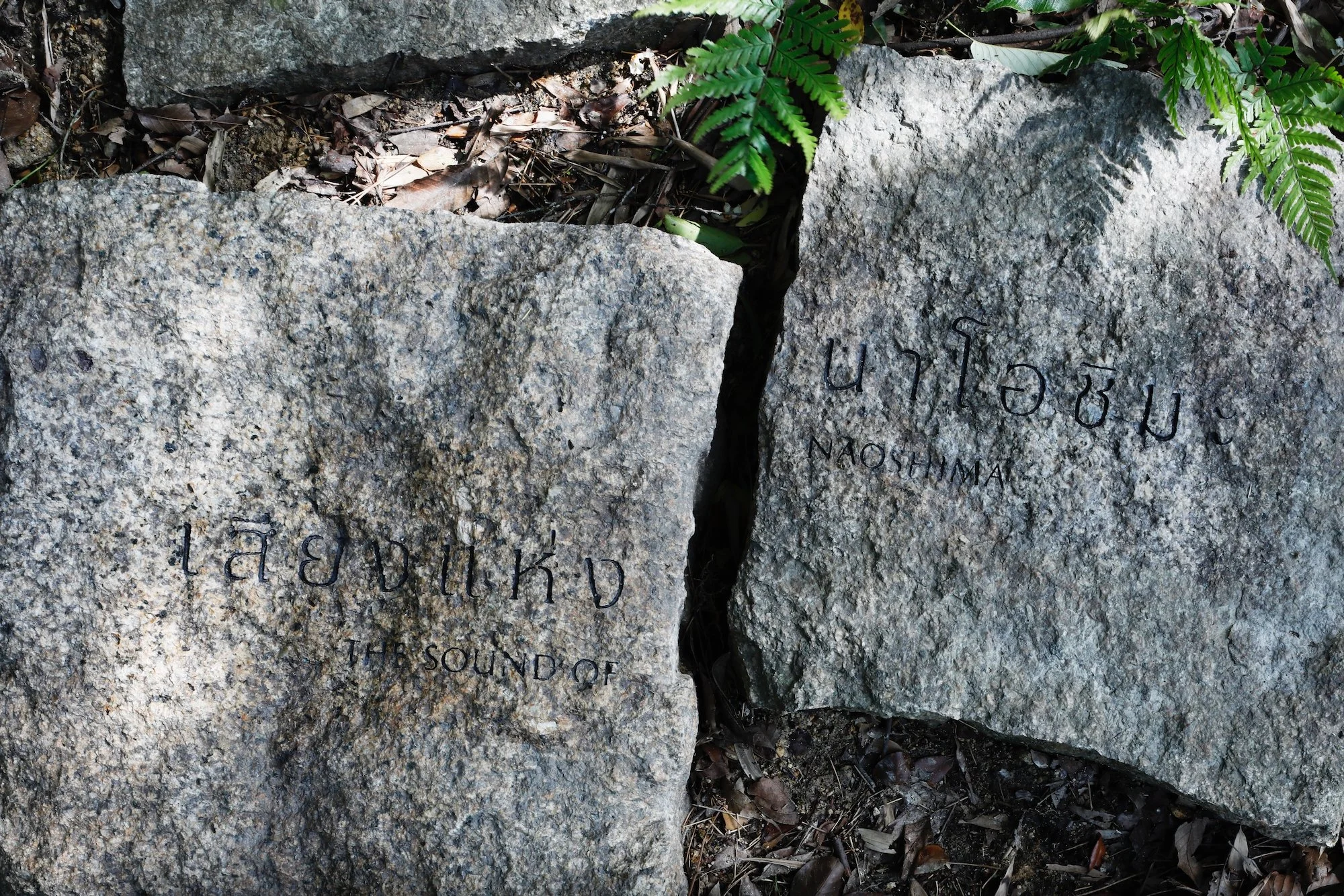
THE SOUND OF NAOSHIMA
TITLE : The Sound of Naoshima YEAR : 2026
EDITION : Unique
LOCATION : Naoshima New Museum of Art
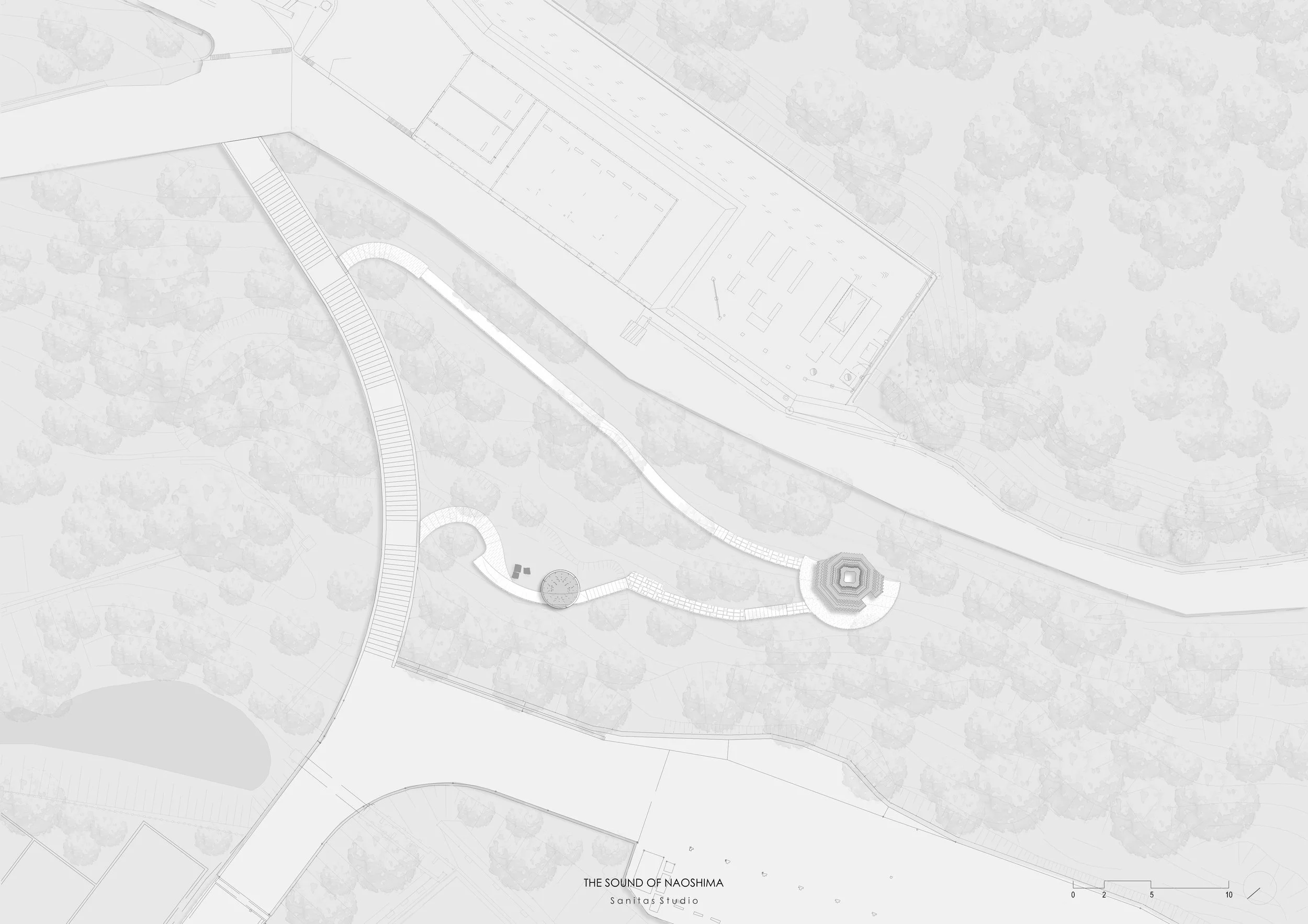
DIMENSIONS : Site-specific loop pathway with two sculptures :
• SILENCE 4.60 X Ø 4.20 m
• Echo of the SILENCE 3.5 X Ø 2.50 m
MEDIUM : Mixed-media site-specific installation
MATERIAL :
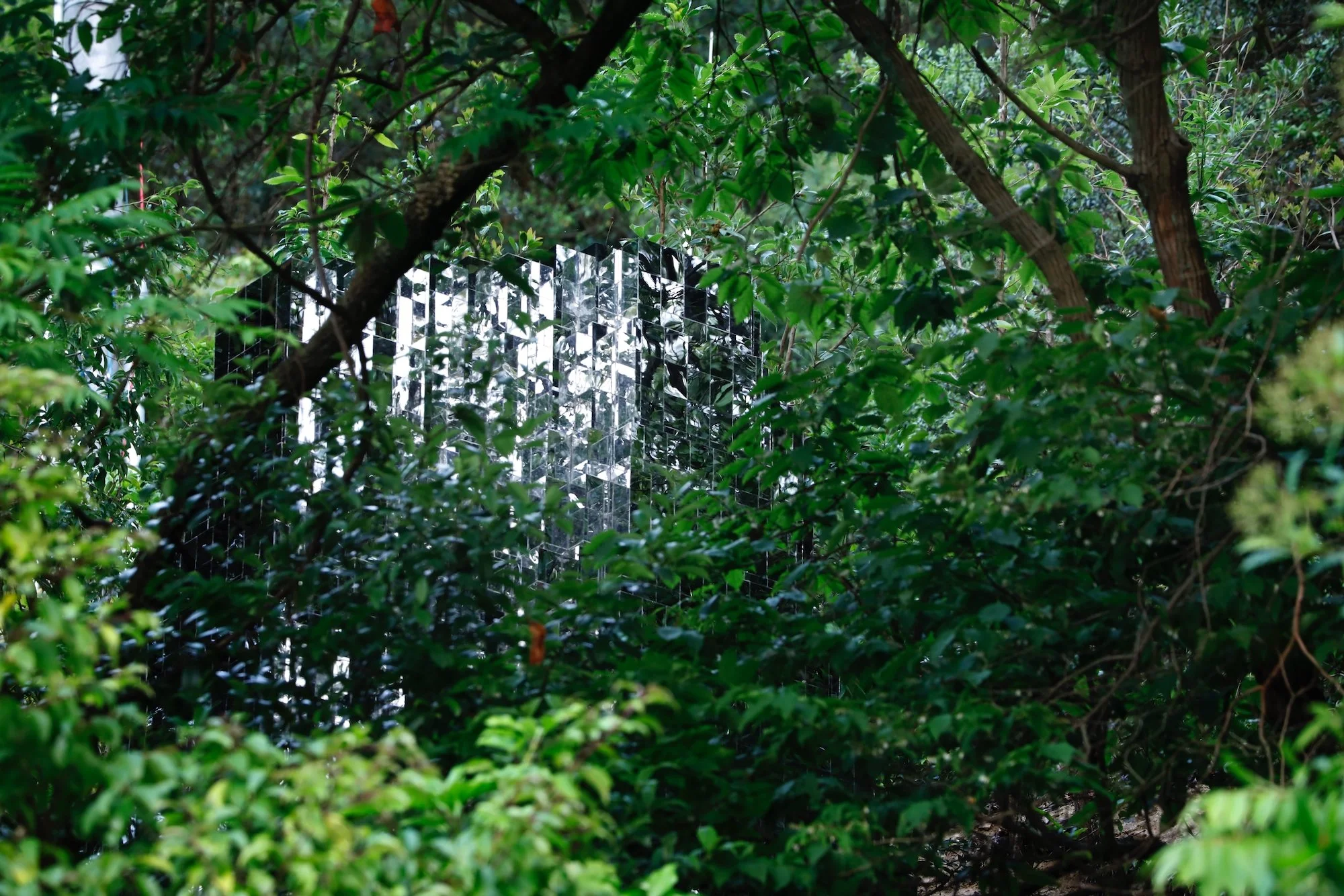
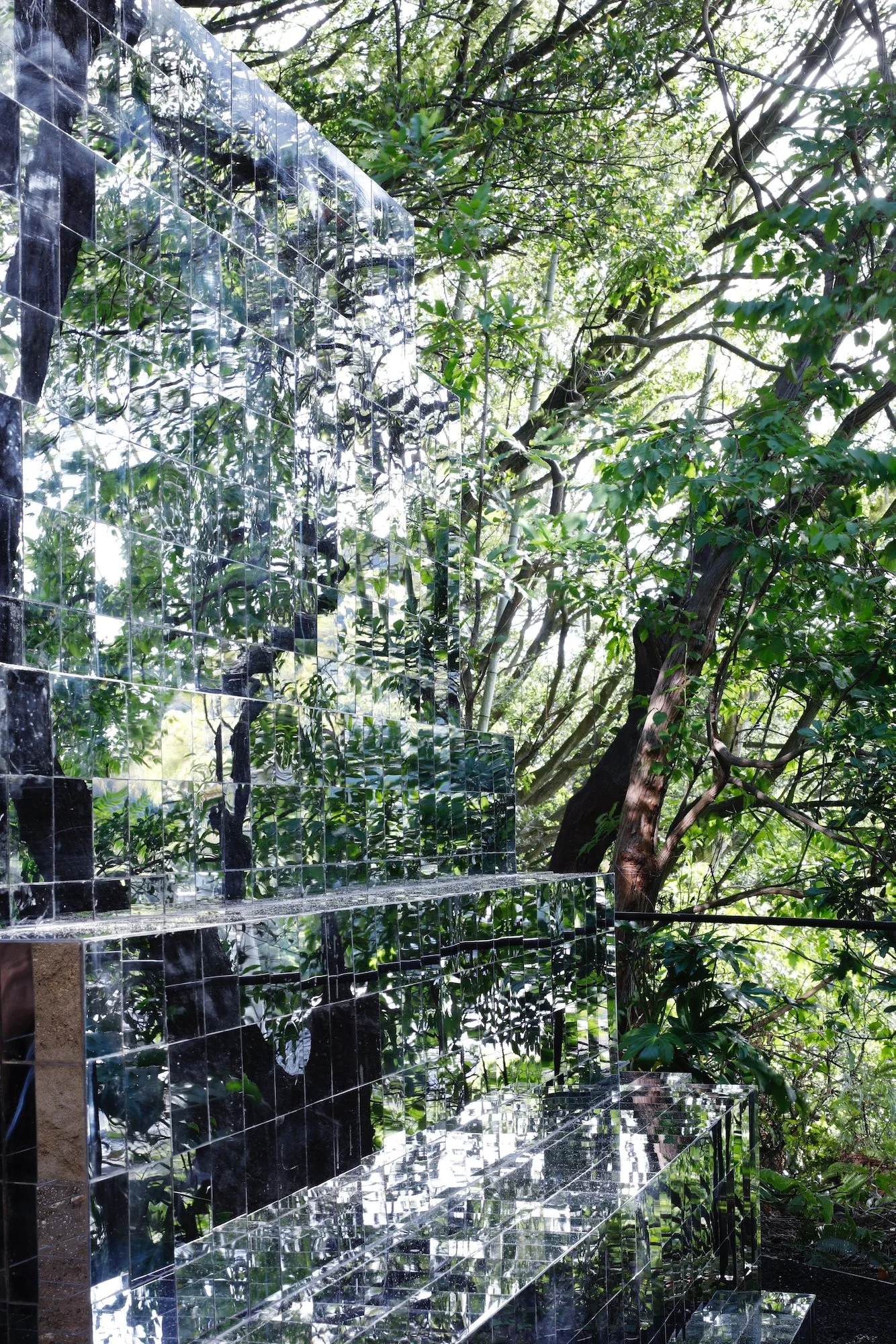
• SILENCE : Traditional Thai glass mirrors (krajok kriab), steel structure, traditional Thai lacquer (rak), coconut shell charcoal, and charred teak timber.
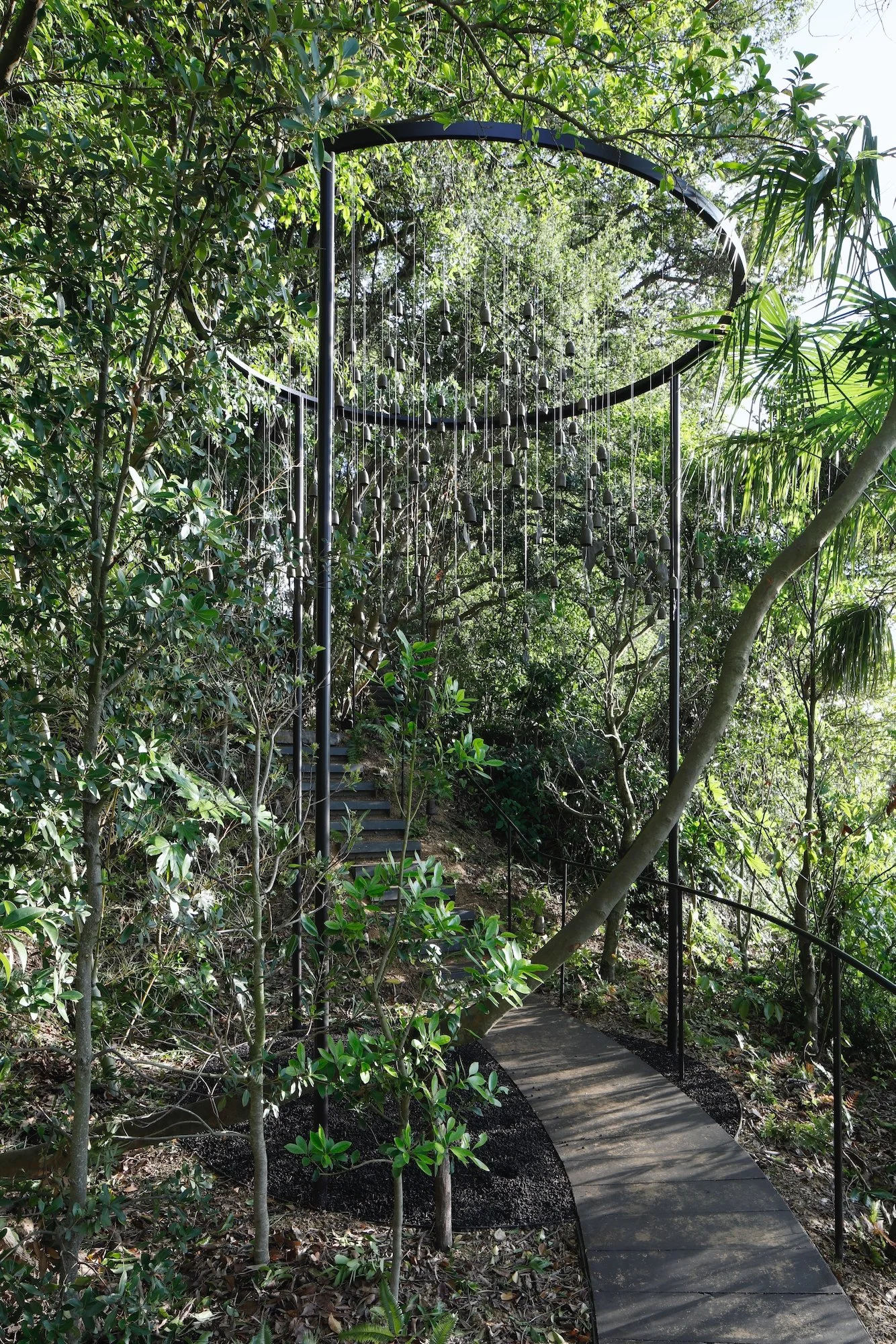
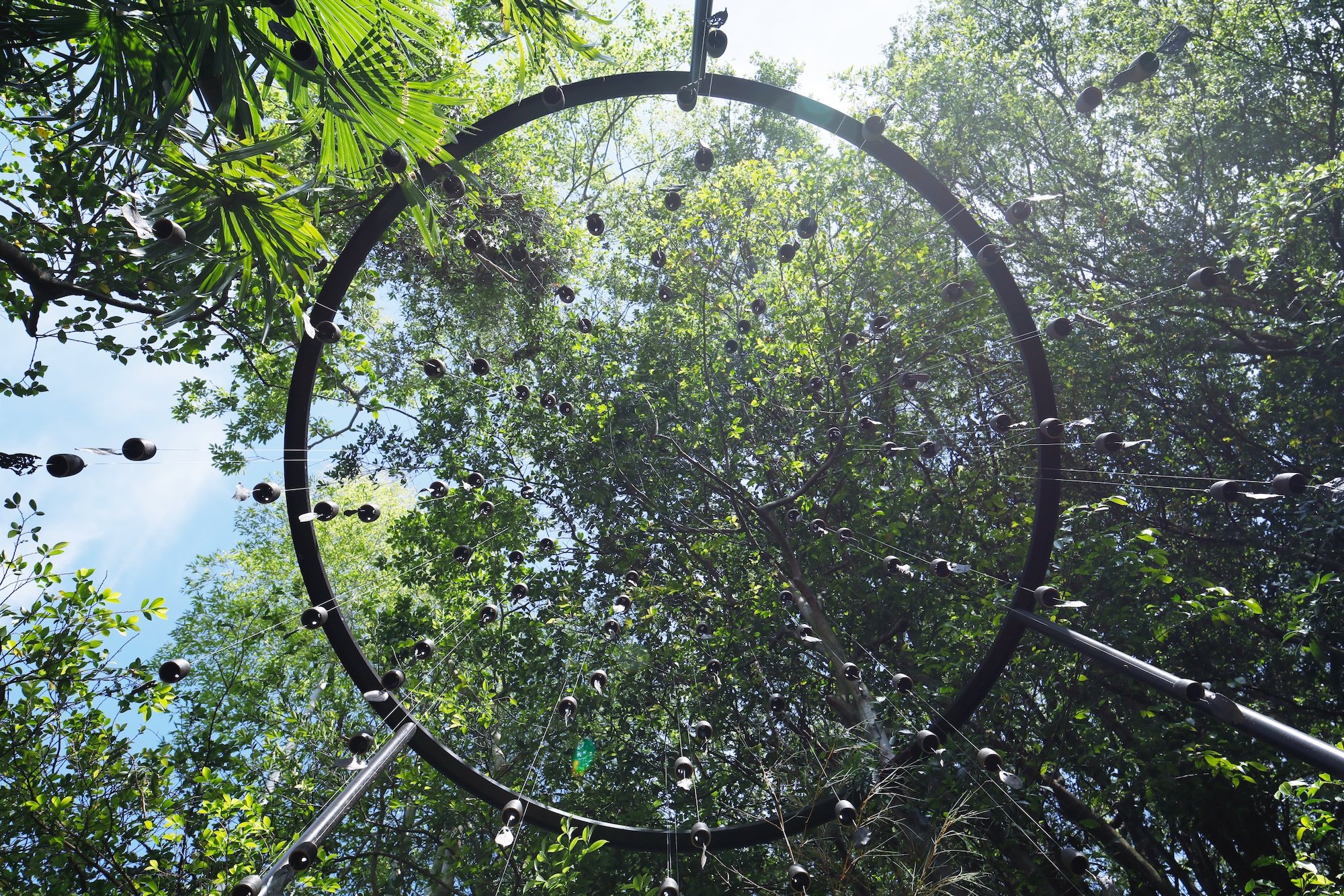
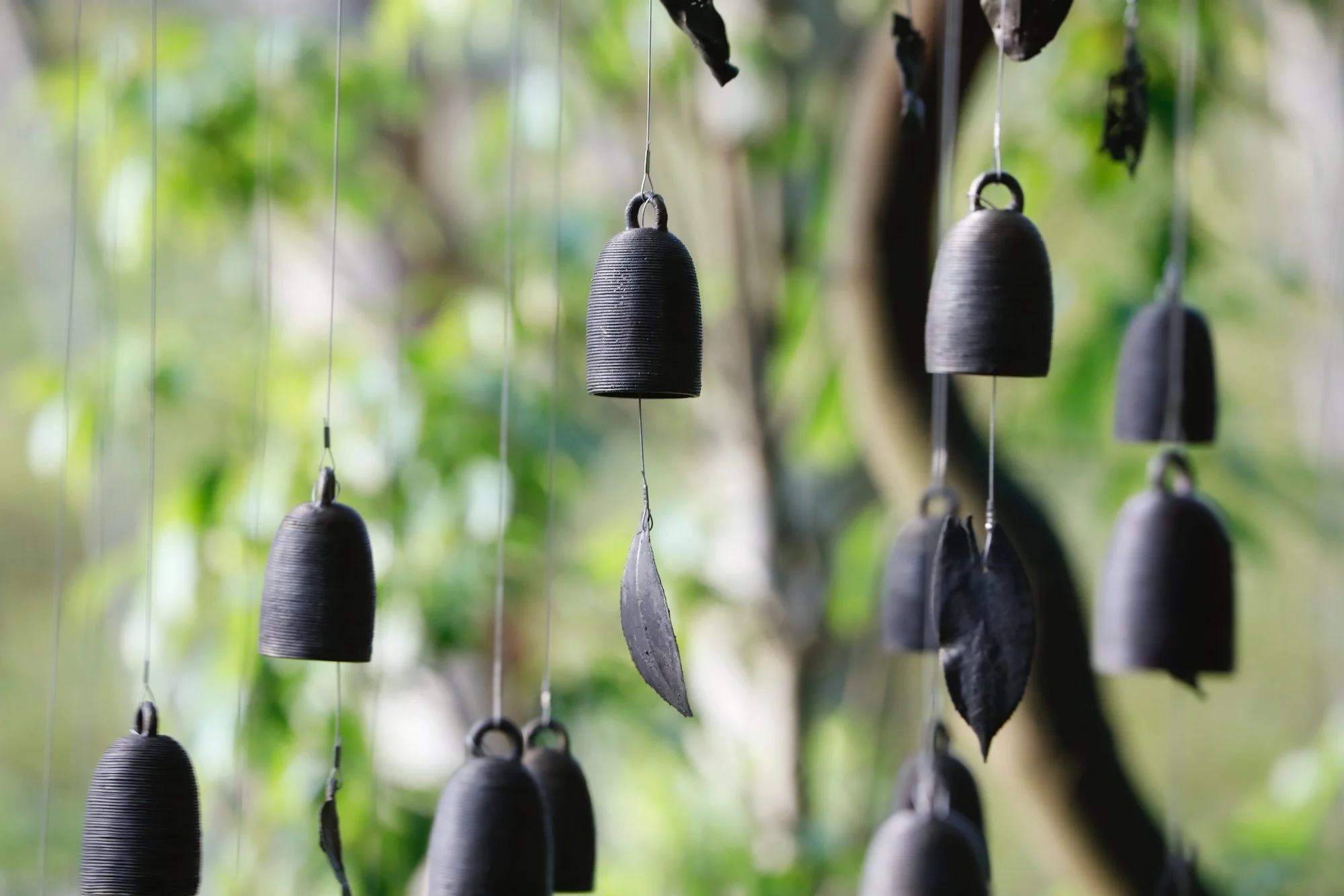
• Echo of the SILENCE : Lost-wax cast bronze bells and leaves.
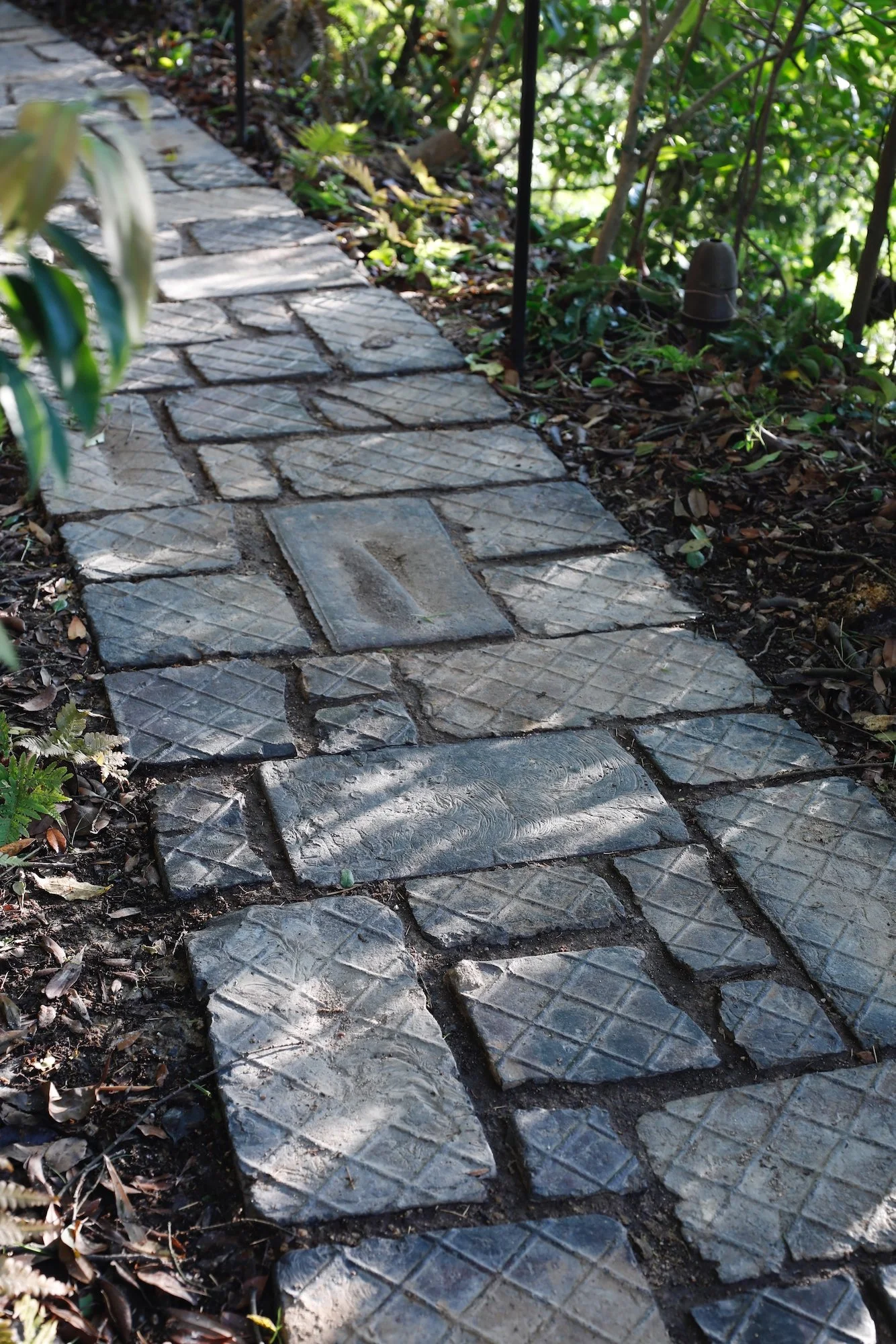
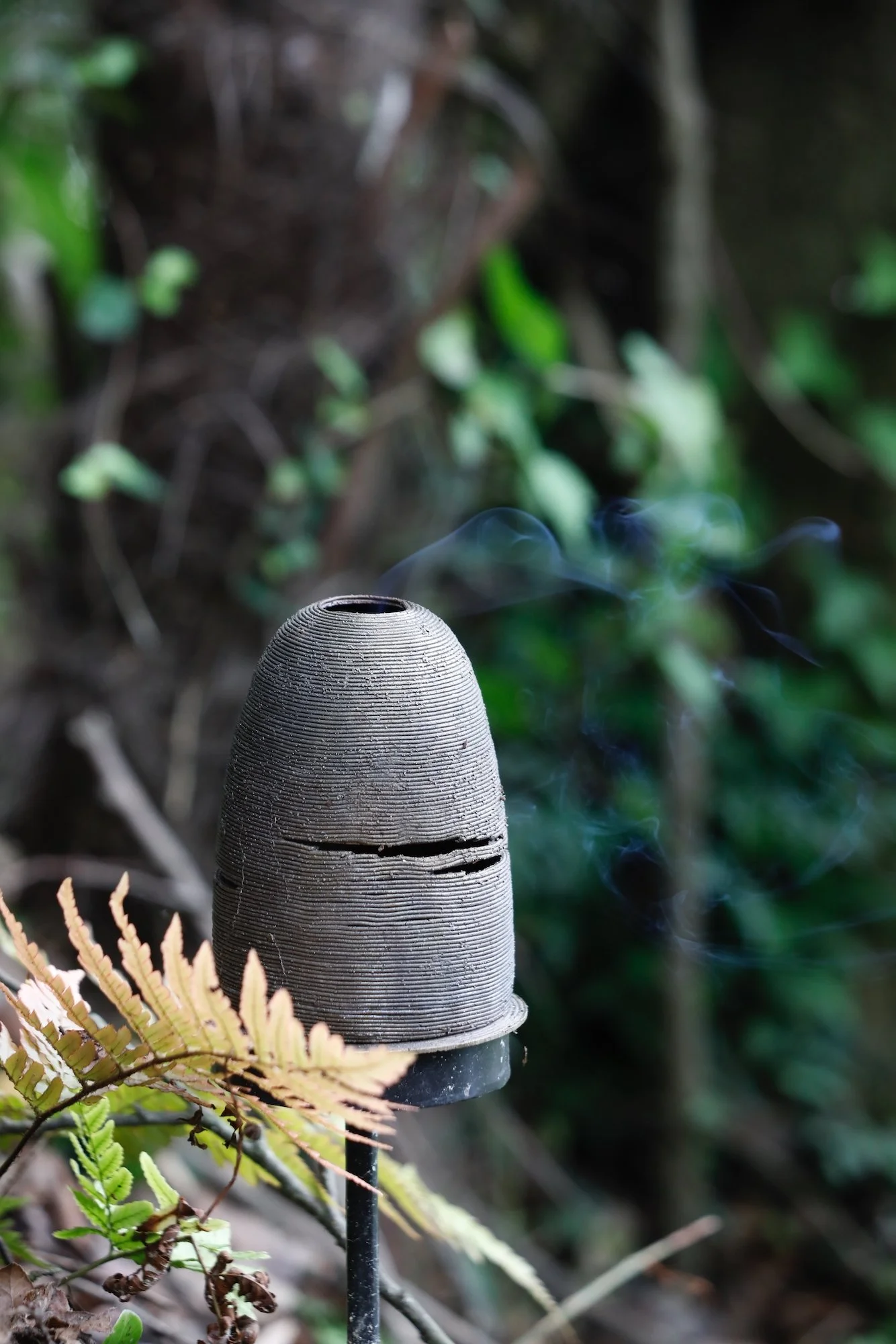
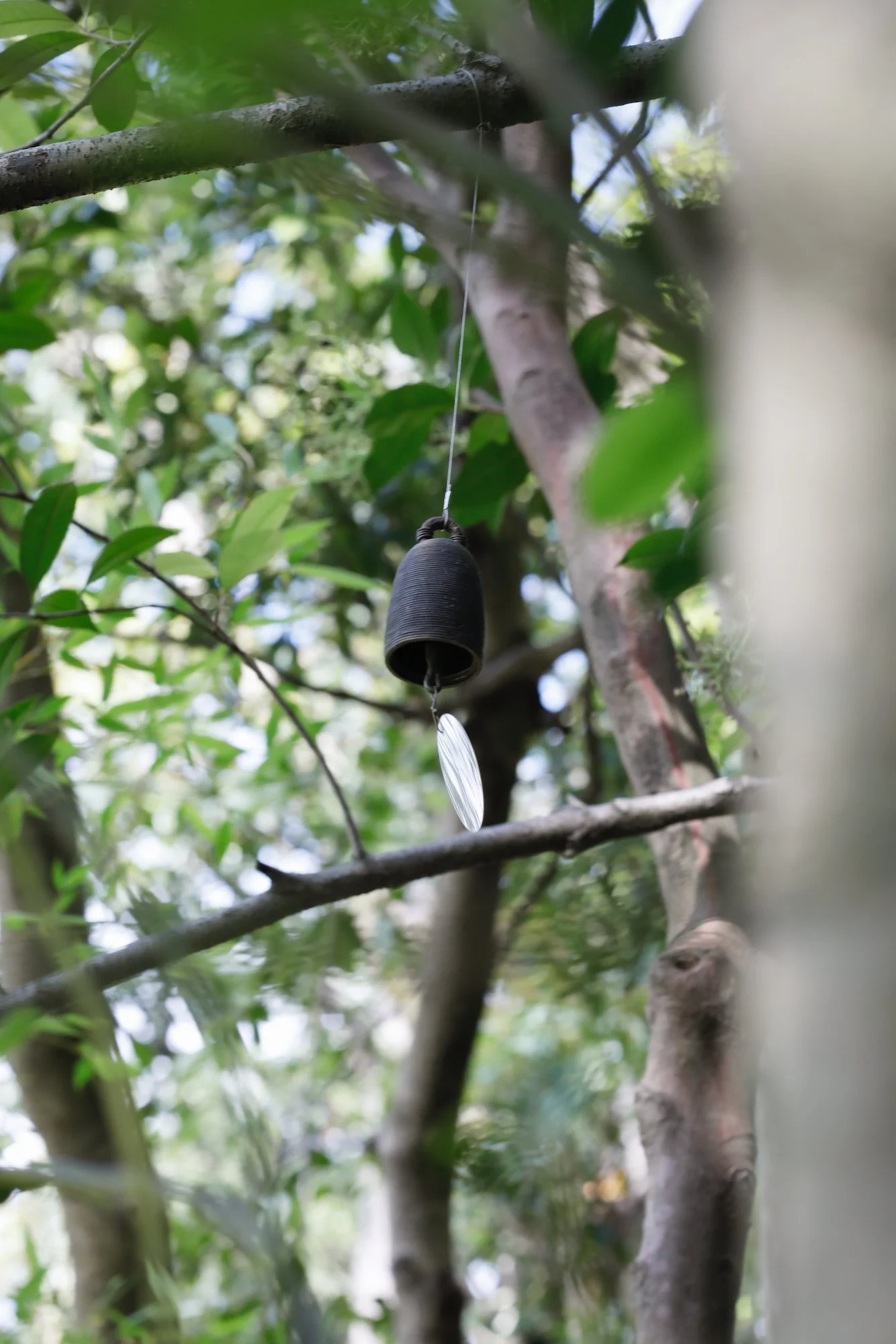
• Walking Thinking path : Lost-wax cast bronze incense holders, incense, lost-wax cast bronze ringing bells (concealed within the forest), fired bricks, slag bricks (karami), and fine lava stones.
The concept is inspired by the Zen koan “The sound of one hand clapping”—a state of mindfulness that can only be understood through direct experience. The Sound of Naoshima draws inspiration from the sacred forest in Naoshima, including visits to the shrines and the Naoshima 88 pilgrimage. Walking up to the shrine and experiencing the sacred forest can transport people to another world. This work was created to invite people to slow down, pause, think, and be with themselves.
In Thai Buddhist practice, we embrace the wisdom of “learning from nature” (Dharma Nature), where people can learn about impermanence, suffering, and nothingness, realizing that we are merely a part of nature. Within this sacred forest, I aim to create a space where people can slow down, pause, and begin to notice the subtle changes in the surrounding nature, embodying the concept of impermanence.
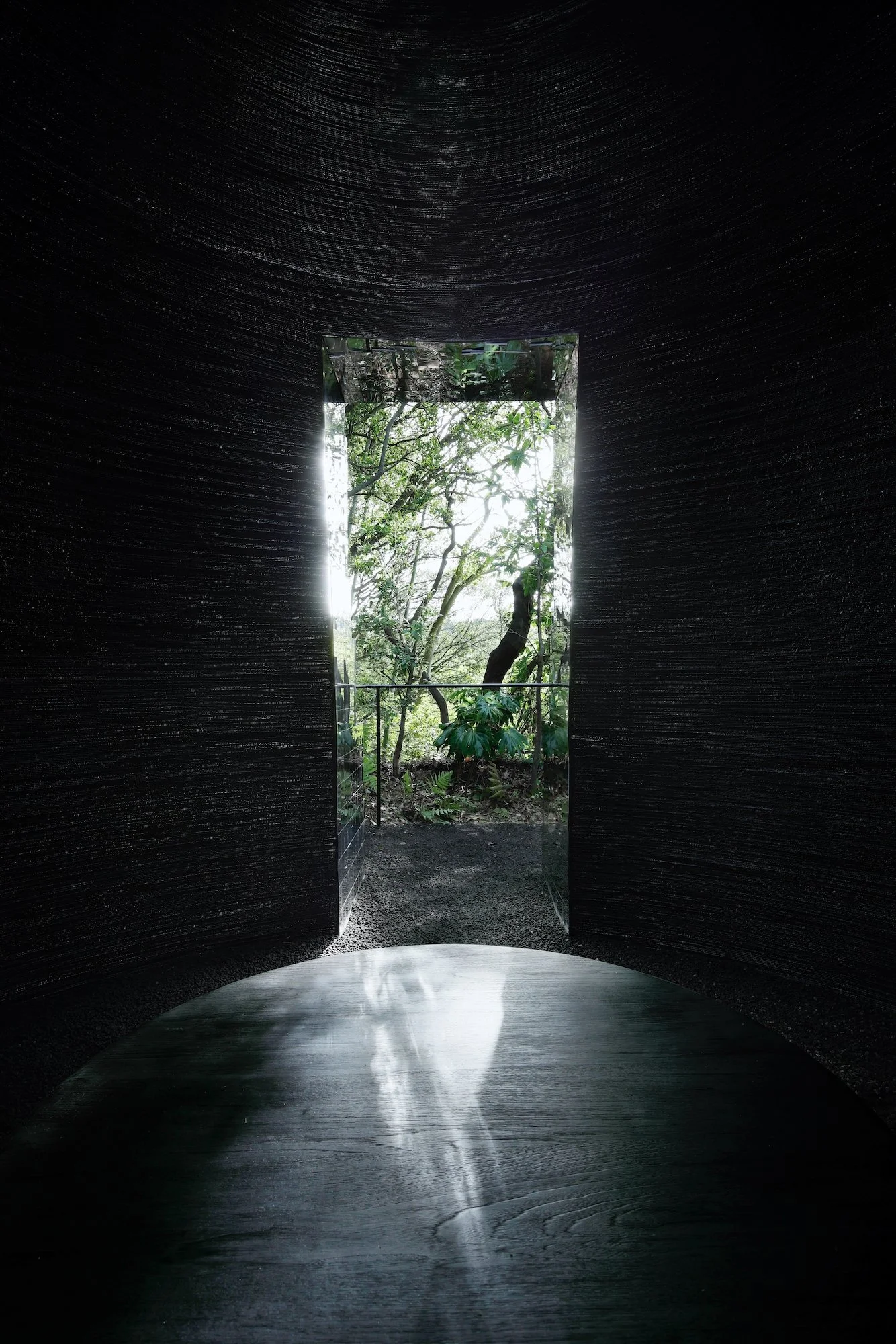
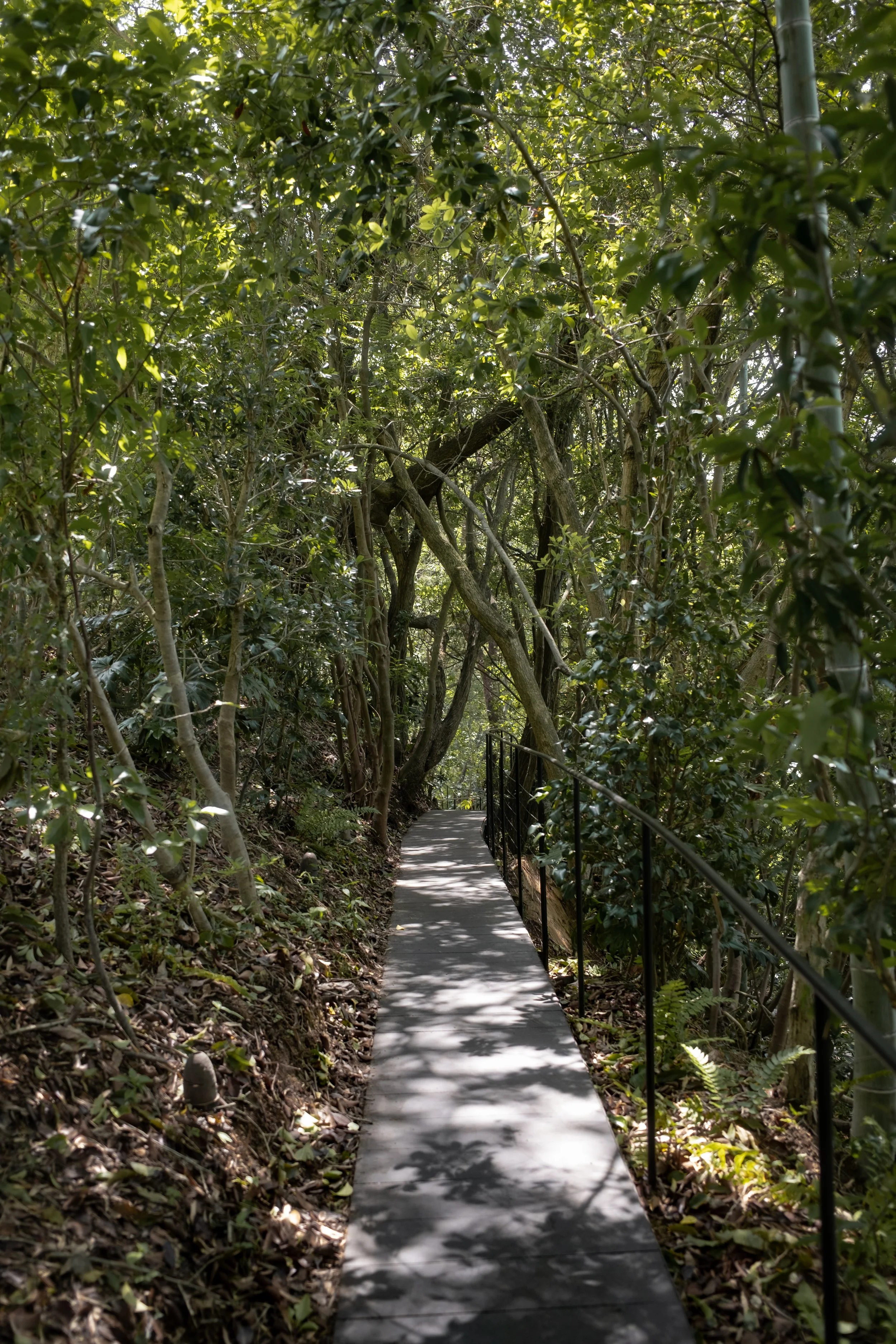
The work invites visitors to journey through a looped pathway referred to the Walking Thinking Path. This pathway allows time for self-reflection and contemplation, guided by the gentle sound of wind bells that enhance their awareness and connection with the changing nature around them. As one progresses towards the inner part of the forest, the sound of the wind bells becomes silence, leading to a sculptural space that reflects these natural transformations. Inside this space, silence envelops the visitor, allowing a small group of people at a time to fully experience the contemplative atmosphere.
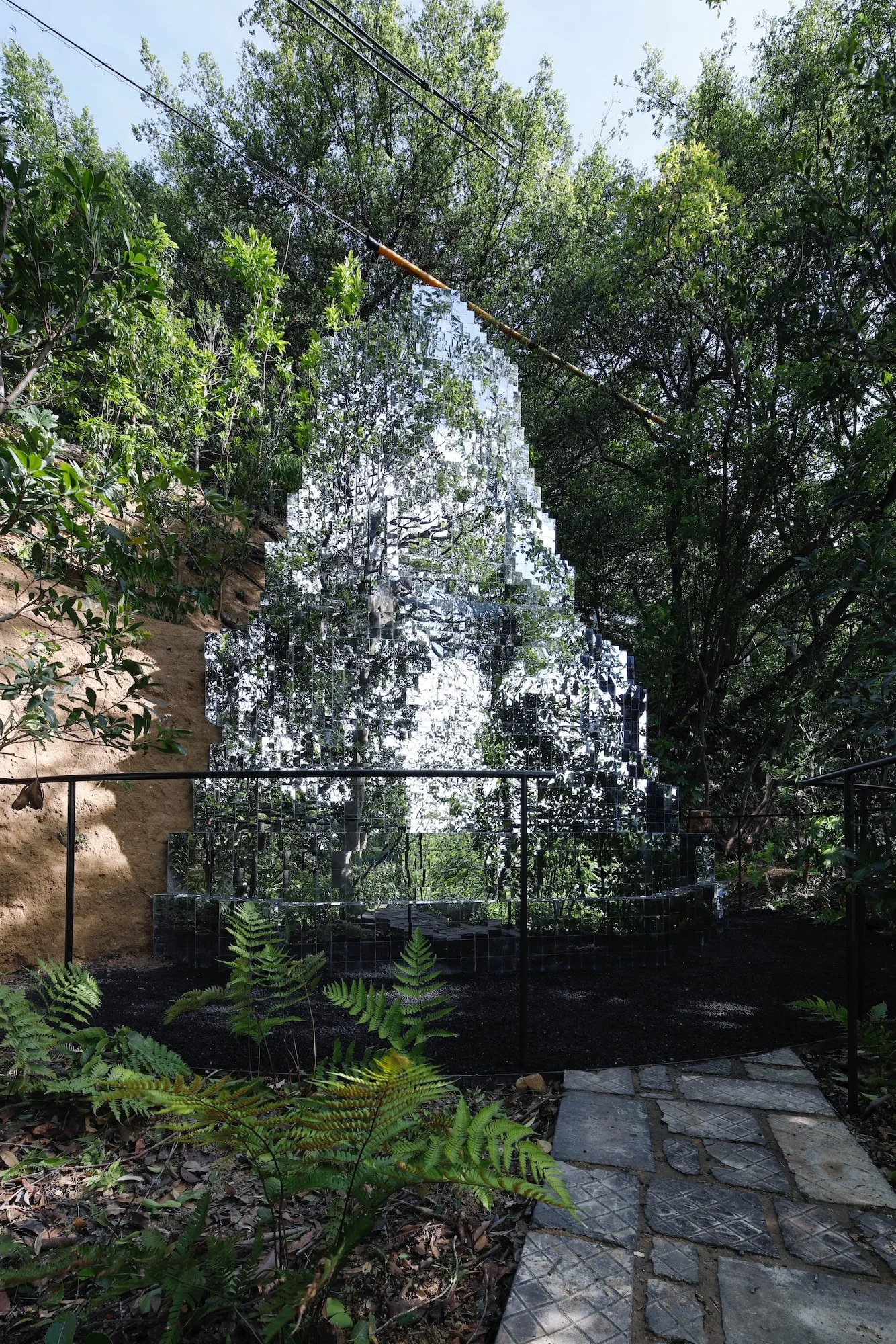
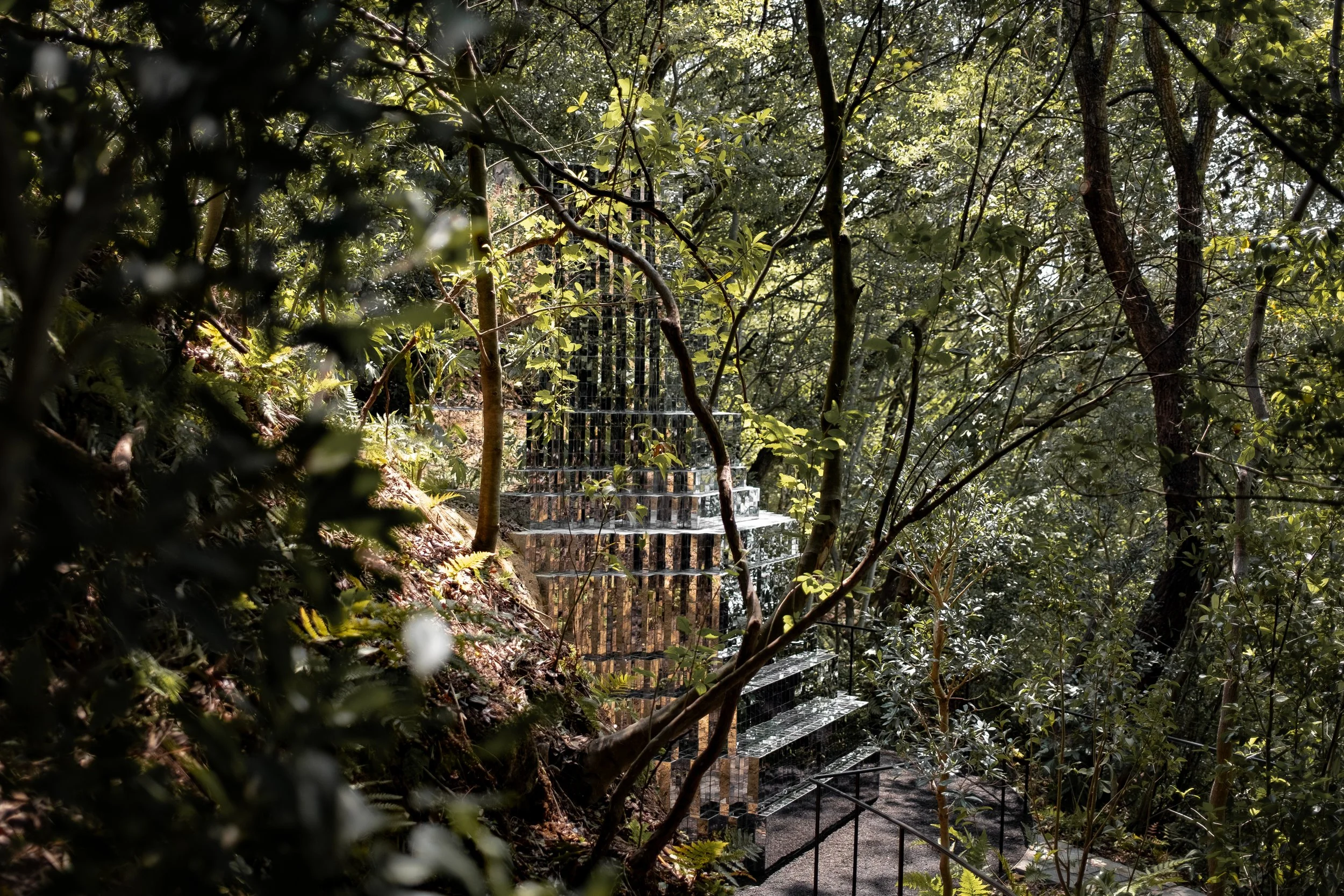
The sculptural space, erected in the shape of a stupa (a sacred mountain), consists of two distinct sculptures:
• Piece 1 : SILENCE
• Piece 2 : Echo of the SILENCE
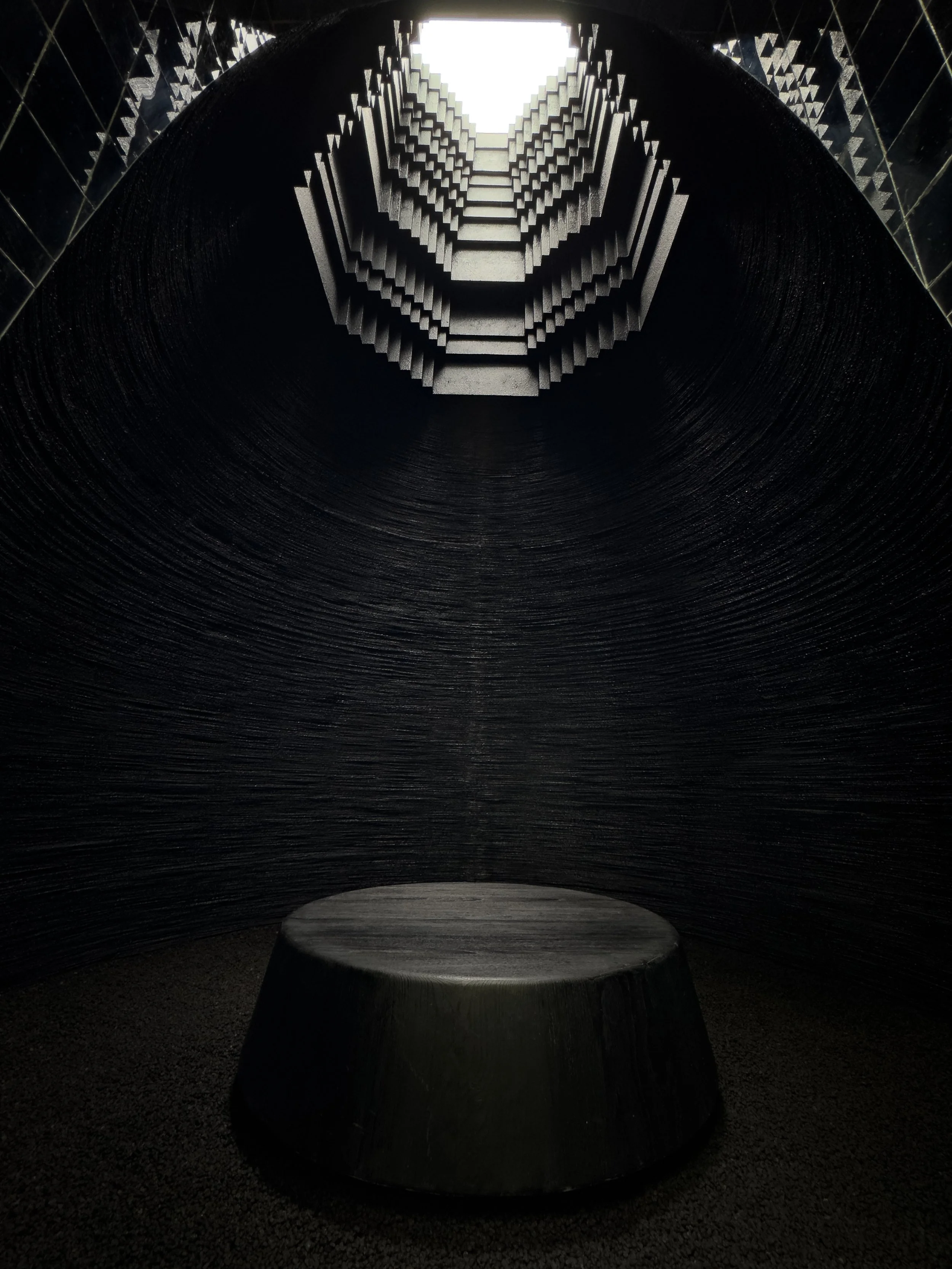
Piece 1 : SILENCE A stupa that invites visitors to move beyond the six senses—sight, taste, smell, sound, touch, and thought. While the Thai mirrored exterior enhances the perception of the surrounding environment, the dark, charcoal-colored interior is inspired by the black-walled houses of Naoshima. An opening at the top lets in sunlight and natural elements. Stepping inside, one is enveloped in silence, sharpening self-awareness in harmony with the surrounding nature. Through this opening to the sky and a dedicated seat for meditation, the observer is invited to transcend sensory noise and remain in total stillness.
Piece 2 : Echo of the SILENCE
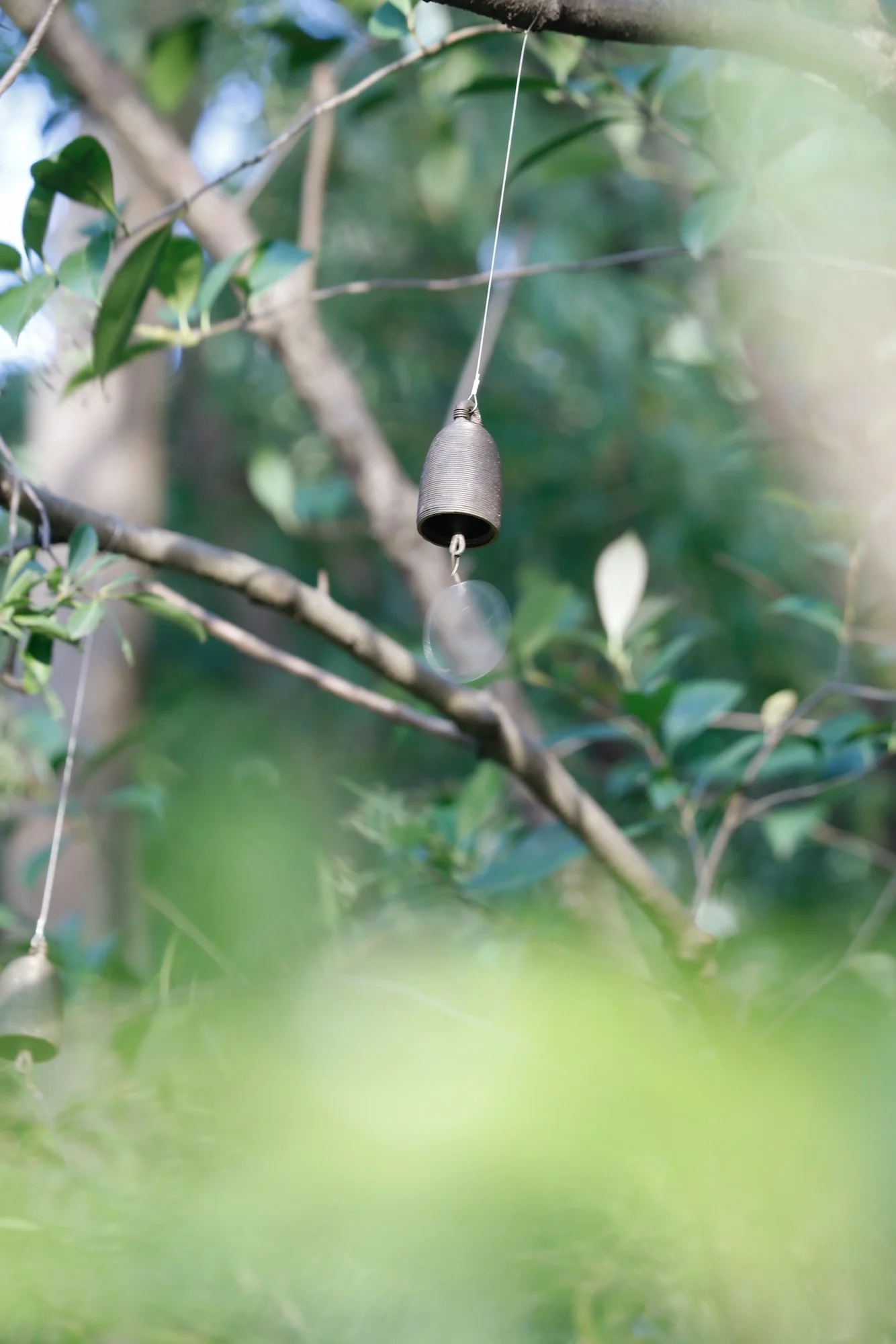
"The state of experiencing a sensation exactly as it is, without adding judgment, interpretation, or narrative." The stupa, composed of silent bells, serves as a physical metaphor for “only knowing”. As the wind moves the bells, they offer a visual touch (contact) without the expected auditory response (sound). This absence of sound invites the observer to remain in the present moment—to see the movement and feel the wind merely as they are, before the mind begins to label or process them. It is the art of perceiving without "noise" from the ego.
Another important element of this work is the customized bronze bells, shaped like stupas and crafted using the ancient lost-wax casting method from a village in Northeast Thailand. The experiential journey begins with a soft rhythm of sound from the wind bells, gradually transforming into the sound of silence as visitors approach the inner part of the forest. Similarly, the fragrance evolves from the scent of birth to the aroma of natural decay, ultimately disappearing entirely as the innermost section of the sacred stupa is reached.
Sanitas Pradittasnee, The Sound of Naoshima, 2026
Photo 1-12, 15 : Takeru Koroda Photo Courtesy of Fukutake Foundation
Photo 13-14 : Peeraphat Kittisuwat Photo Courtesy of Sanitas Studio